Thinking about living in LoDo but torn between a condo and a loft? You are not alone. In Lower Downtown, you’ll find sleek modern towers next to historic warehouse conversions, each with a very different feel. This guide breaks down the real differences in space, noise, parking, amenities, and HOA rules so you can decide confidently. Let’s dive in.
What sets condos and lofts apart
Floor plans and flow
Condos in LoDo typically offer defined rooms, clear bedroom separation, and practical storage. You get hallways, closets, and a more traditional layout that helps with privacy.
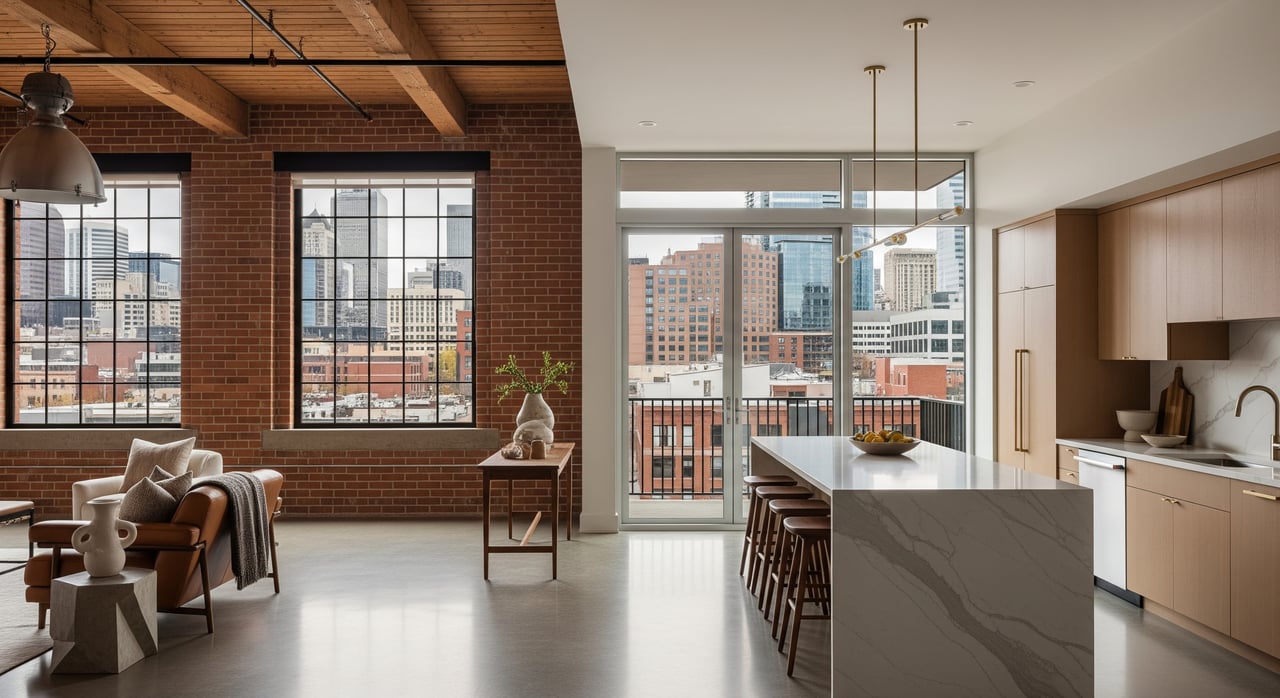
Lofts favor open space and flexible layouts. Think high ceilings, exposed brick or beams, and large windows. Some have mezzanines. If you value volume and design freedom over walls, a loft often fits.
Ceiling height and light
Historic loft conversions often deliver dramatic ceiling heights and oversized industrial windows. The result is abundant daylight and an airy feel. Window replacements can be more complex in these buildings, which matters for comfort and efficiency.
Modern condos usually have more predictable daylight and newer thermal window systems. Ceiling heights are often lower than in warehouse lofts, but finishes tend to be more uniform.
Mechanical systems and HVAC
Converted buildings can have nonstandard or retrofitted systems. You might see ductless units or creative HVAC solutions because there is limited space for ductwork. Ask about the type of heating and cooling, the age of the equipment, and who maintains it.
Condo towers more often provide centralized or modern individual HVAC with well-planned closets and mechanical shafts. You’ll want to confirm what the HOA covers versus what you own.
Finishes and acoustics
Lofts showcase hard, exposed surfaces like brick, wood, and concrete. These look great but can reflect sound. Condos often use dropped ceilings, insulated walls, and carpet in bedrooms to improve acoustic privacy. If noise is a concern, ask for details about the floor and wall assemblies.
Historic-building quirks in LoDo
Landmark rules and exterior work
LoDo’s historic district protects the character of many buildings, including converted warehouses along streets like Wazee and Market, and those near Union Station and the 16th Street Mall. Exterior changes such as window replacements, signage, and rooftop work often require review and approval. This preserves the streetscape but can add time and cost to exterior upgrades.
Interior changes are usually under owner control, but building declarations or local rules can add limits. Always confirm what is considered a common element versus your unit.
Maintenance surprises to watch
Older masonry, heavy timber framing, and vintage plumbing or electrical are common in historic loft buildings. Windows may be custom sizes and harder to replace. Limited insulation and retrofit constraints can influence comfort and utility costs.
Ask your inspector to focus on roof condition and parapet stability, window integrity and potential water intrusion, and documentation of mechanical and electrical upgrades. Thorough records matter in conversions.
Insurance considerations
Historic construction can influence both owner and HOA insurance. Replacement costs and deductibles may be higher compared to newer buildings. Review the master policy and your responsibilities carefully, including what your HO-6 policy should cover.
Sound and privacy in a lively district
Typical noise paths
LoDo is active well into the evening. Lofts can transmit more sound because of open layouts and hard surfaces. Converted buildings may have wood joist floors that transfer impact noise more readily, though some use concrete slabs.
Modern condos are more likely to meet current acoustic standards. That said, performance varies by building and assembly.
What to ask and look for
Acoustic performance is often described by STC for airborne sound and IIC for impact noise. STC around the mid-to-high 40s is common, and 50 or higher is desirable for solid privacy. Higher IIC helps with footfall noise.
Request any available acoustic tests or construction details. Review HOA meeting minutes for noise complaints or completed sound mitigation projects.
Easy in-unit fixes
In either home type, area rugs with pads, heavy curtains, bookcases, and upholstered furniture help absorb sound. Sealing small gaps at doors and windows can reduce traffic noise. For larger improvements like underlayments or resilient channels, you will need HOA approval.
Parking, storage, and amenities
Parking realities
Street parking is constrained in LoDo. Many homes rely on garages. Loft conversions in historic buildings may have limited or no onsite parking, so some owners rent nearby spaces. Modern condos are more likely to include deeded or assigned garage stalls and sometimes EV charging.
Verify whether parking is deeded or assigned, location of the stall, any monthly costs, guest parking rules, and EV charging policies.
Storage differences
Open-plan lofts can lack closets and dedicated storage rooms. Look for assigned storage lockers in basements or garages. Condos typically include more built-in storage and labeled storage units.
Amenities and HOA fees
Condo towers tend to feature fitness centers, rooftop decks, resident lounges, concierge or package rooms, and structured parking. Lofts, especially smaller conversions, may offer secured entry and little else. Fewer amenities can lower monthly HOA fees but also change your daily experience. Consider what you will actually use.
HOA governance and financial health
Documents to review
In Colorado, associations follow specific rules and disclosures. Request the HOA bylaws, declaration, and rules, plus recent board minutes, current budgets and financial statements, reserve studies if available, insurance declarations, and any pending litigation or special assessments. Confirm parking and storage allocations, rental and short-term rental policies, and pet rules.
Financial signals to watch
Look at reserve fund size relative to upcoming needs. Ask about fee history, delinquency rates, and planned projects such as roof, façade, or window work. Historic buildings often budget for masonry and window restoration, which can be costly if reserves are thin.
Master insurance scope
Some master policies are walls-out or bare walls, covering exterior and common areas only. Others include some interior components. Understand what the HOA insures so you can right-size your HO-6 for fixtures, improvements, loss assessments, and personal property.
Rental and STR rules
If you plan to rent your home, review both the HOA’s rental policies and the City of Denver’s requirements for short-term rentals. Some buildings limit leases or impose registration rules. Always confirm before you buy.
Financing and inspections
Loan considerations
Lenders sometimes apply stricter standards to older conversions, live/work configurations, and buildings with high rental ratios. Government-backed loans may require specific reserve levels and insurance coverages. Verify building eligibility with your lender early.
Inspections and specialists
Hire an inspector experienced with historic conversions. Ask for extra attention to windows, roof and parapets, masonry, and mechanical systems. If there are signs of moisture, consider an infrared or moisture inspection. If sound is a priority, request any building acoustic documentation or consult a specialist.
Which is right for you?
- Choose a loft if you prize volume, daylight, and character, and you are comfortable with flexible layouts, potential acoustic tradeoffs, and fewer amenities. You may be fine renting parking nearby and investing in sound or window improvements over time.
- Choose a condo if you want defined rooms, more predictable acoustics and mechanics, on-site amenities, and assigned garage parking. This path tends to appeal to a wider buyer pool and can ease future resale.
Quick buyer checklist
- Confirm whether the building lies within LoDo’s historic district and what exterior rules apply.
- Ask the HOA for bylaws, rules, minutes, budget, financials, reserve study, and insurance declarations.
- Verify parking details: deeded or assigned, stall location, guest rules, and cost for a second stall.
- Confirm HVAC type, equipment age, and maintenance responsibilities.
- Order a thorough inspection focused on windows, roof, masonry, and mechanicals.
- Ask about noise history and any acoustic upgrades; review HOA minutes.
- Check rental and short-term rental policies with the HOA and the city.
- If using FHA or VA financing, confirm building eligibility early.
- Review the master policy and align your HO-6 coverage.
Ready to compare specific buildings around Union Station or near Coors Field and the 16th Street Mall? We can help you weigh the tradeoffs, review HOA health, and negotiate the right protections in your contract. Reach out to The Modglin Collection for a focused, step-by-step plan that fits your lifestyle and budget.
FAQs
What is the main difference between a LoDo condo and a loft?
- Condos offer defined rooms and more predictable systems and amenities, while lofts provide open plans, taller ceilings, and historic character with potential acoustic and maintenance tradeoffs.
How noisy are lofts in LoDo compared to condos?
- Lofts can echo internally and transmit more sound due to hard surfaces; many condos use assemblies that target STC around the mid-to-high 40s, with 50 or higher considered strong for privacy.
Do most LoDo lofts include parking?
- Many historic loft conversions have limited or no on-site parking, so owners may rent nearby spaces; modern condo buildings are more likely to offer deeded or assigned garage stalls.
Are window replacements harder in historic LoDo buildings?
- Yes, exterior changes such as windows often require review and approval, which can add time and cost; custom window sizes in older buildings can also increase expense.
What HOA documents should I review before buying in LoDo?
- Request bylaws, declaration, rules, recent board minutes, current budget and financials, reserve study if available, insurance declarations, and any notices about litigation or special assessments.
How do amenities affect HOA fees in LoDo condos?
- Larger amenity packages like gyms, lounges, and rooftops often correlate with higher HOA fees; smaller loft buildings with minimal amenities may have lower fees.
Can I use FHA or VA loans for a LoDo condo or loft?
- Possibly, but eligibility depends on the building’s financials, insurance, and project approval status; verify with your lender early.